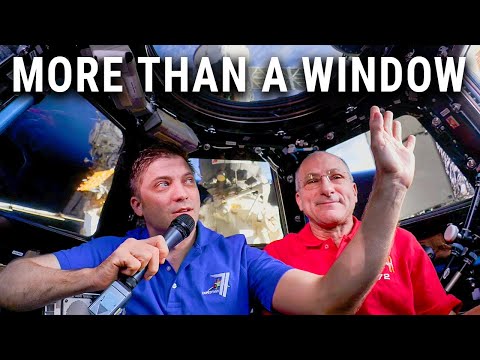
About SmarterEveryDay: I explore the world using science. That’s pretty much all there is to it. Watch 2 videos. If you learn something AWESOME, please subscribe if you f…
What does it take to photograph stars from orbit without them turning into blurry streaks — or, when you want streaks, how do you make them intentional and beautiful?
- With a 50mm F1.2 lens, any exposure longer than a quarter second from the ISS will show star streakiness — a razor-thin margin compared to Earth-based photography.
- For deliberate star trail composites, Don uses 30-second exposures and layers them as overlays in Photoshop.
- Earth photographers enjoy far more flexibility: long exposures of 10–15 seconds produce no star streaks at all, a stark contrast to shooting from a moving station in orbit.
The Quarter-Second Rule Changes Everything
Shooting from the ISS introduces a constraint most photographers never face: the station moves fast enough that your exposure window for pinpoint stars is under 250 milliseconds. Hit that threshold with a 50mm F1.2 lens, and your stars blur into streaks.
But Don flips that limitation into a creative tool. By shooting 30-second exposures repeatedly and stacking them as overlays in Photoshop, he transforms orbital motion into sweeping, intentional star trails. The same physics that makes precise star shots difficult becomes the engine for dramatic composite art.
For city photography from orbit, the math shifts again — shutter speeds of 1/200 to 1/300 of a second eliminate the motion blur from Earth’s surface rushing below.
Watch the full chapter with SmarterEveryDay and see exactly how these techniques come together in one of the most unique photography environments imaginable.